

Blog
How to Display Anti-Bullying Posters in School: Where to Put Them

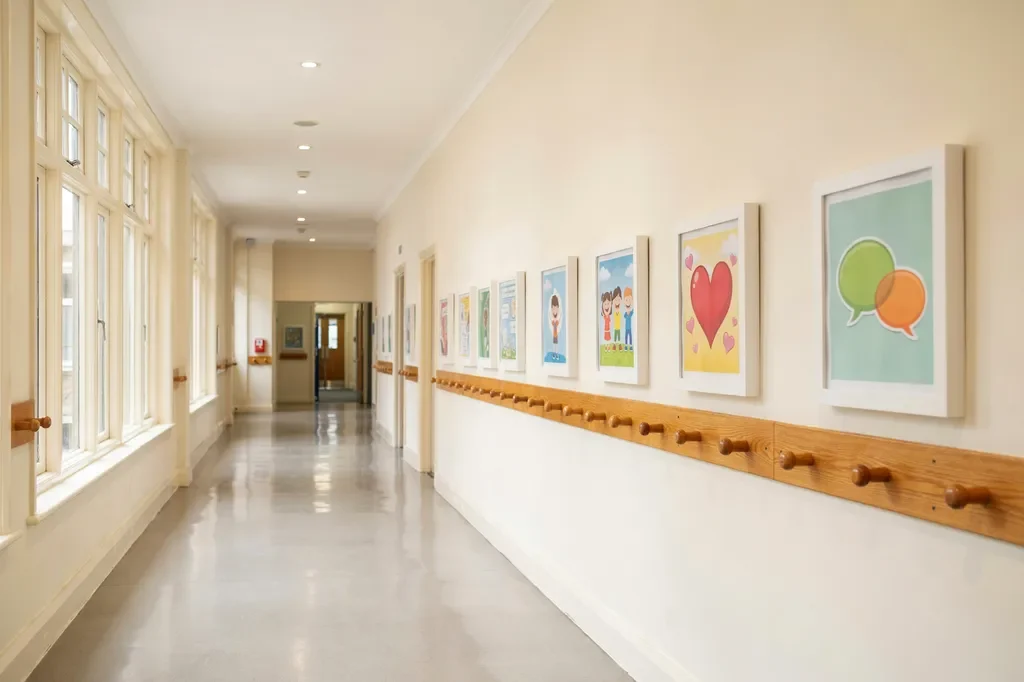
Quick answer: Put anti-bullying posters where bullying is most likely to happen and where pupils make decisions about telling someone: entrances, corridors, toilets, the dining hall, playground doors, classrooms and ICT suites. Hang them at pupils’ eye level, use a large size in busy areas, make sure every poster says who to tell, and refresh them each term so they keep getting noticed.
An anti-bullying poster only works if pupils see it at the right moment. This guide covers the best places to put anti-bullying posters in a school, the right size for each spot, how to keep them effective all year, and how to use them during Anti-Bullying Week.
Why placement matters
Posters remind pupils of the school’s rules and, most importantly, show them what to do if they or someone else is being bullied. In England, schools must have measures in place to prevent all forms of bullying as part of their behaviour policy. Well-placed posters help put that policy where pupils actually are, not just in a document on the website.
The best places to display anti-bullying posters
| Location | Why it works | Suggested size |
|---|---|---|
| Main entrance and reception | Shows pupils, parents and visitors that the school takes bullying seriously | A1 or A0 |
| Corridors and stairwells | High traffic and fewer adults, where pushing and name-calling can happen | A2 or A1 |
| Toilets | Private spaces where bullying is common and pupils can read in peace | A4 or A3 |
| Dining hall | Busy, noisy and less supervised; pupils sit and look around | A1 or A0 |
| Playground doors and changing rooms | Close to unstructured time and less supervised areas | A3 or A2 |
| Classrooms | Supports PSHE lessons and class discussions | A3 or A2 |
| ICT suites and libraries | Good spot for messages about cyberbullying and online safety | A4 or A3 |
| Near a worry box or pastoral office | Links the message directly to a way of getting help | A3 |
| Staff room | Keeps the school’s approach and reporting steps fresh for staff | A3 or A2 |
Not sure which size to choose? Our poster size guide explains each size from A4 to A0.
Seven tips for making anti-bullying posters work
- Hang them at the pupils’ eye level. In a primary school that is much lower than an adult’s eye line. A poster above a child’s head is easy to miss.
- Always say who to tell. The most useful line on any anti-bullying poster is the next step: tell a teacher, a trusted adult, or use the worry box. Add the names or photos of key staff beside the poster if you can.
- Match the message to the age group. Simple, friendly messages such as “be kind” suit younger pupils. Secondary pupils respond better to direct messages about standing up, speaking out and online behaviour.
- Cover online bullying too. Place cyberbullying posters near computers and in form rooms, as much bullying now happens on phones and social media.
- Refresh them every term. People stop noticing a poster that never changes. Rotating between different designs keeps the message fresh.
- Involve pupils. Let the school council choose which designs go where, or display pupils’ own work alongside printed posters.
- Use a matte finish in bright areas. Matte paper has almost no glare, so it stays readable in corridors with big windows. Read more in matte vs satin poster paper.
Using posters during Anti-Bullying Week
Anti-Bullying Week in England is organised by the Anti-Bullying Alliance. In 2026 it runs from Monday 16 to Friday 20 November, with the theme “Break the Silence”. Odd Socks Day is on Monday 16 November.
Many schools refresh their displays in the weeks before. Ideas include:
- A large A0 or A1 poster in the entrance hall from the start of November.
- A themed corridor display with a different poster design on each floor.
- Smaller A3 posters in every classroom to support assemblies and PSHE lessons.
- Keeping the posters up after the week ends, so the message lasts all year.
Our Anti-Bullying Week poster is designed for this, and the full anti-bullying posters range includes messages for every age, such as Be Kind and Stop Bullying.
A simple display plan for a school
- 1 × A0 or A1 in the entrance or hall
- 1 × A2 on each main corridor
- 1 × A3 in each classroom
- A4 copies in toilets and ICT suites
Every design comes in four versions, so you can use a different one in each area and swap them each term. Prices start at £9.99 for A4, with free standard UK delivery. Order Before 12PM for Next Day delivery.
Frequently asked questions
Where should anti-bullying posters be placed in a school?
Place them where bullying is most likely and where pupils decide whether to tell someone: entrances, corridors, toilets, the dining hall, playground doors, classrooms, ICT suites and near the worry box or pastoral office.
What size anti-bullying poster should I use?
Use A1 or A0 for halls and entrances, A2 for corridors, A3 for classrooms and A4 for toilets and computer rooms where people stand close.
When is Anti-Bullying Week 2026?
Anti-Bullying Week 2026 runs from Monday 16 to Friday 20 November 2026, with the theme “Break the Silence”. Odd Socks Day is on Monday 16 November.
How often should school posters be changed?
Refresh them at least once a term. Rotating between different designs stops posters from blending into the background and keeps pupils reading them.
